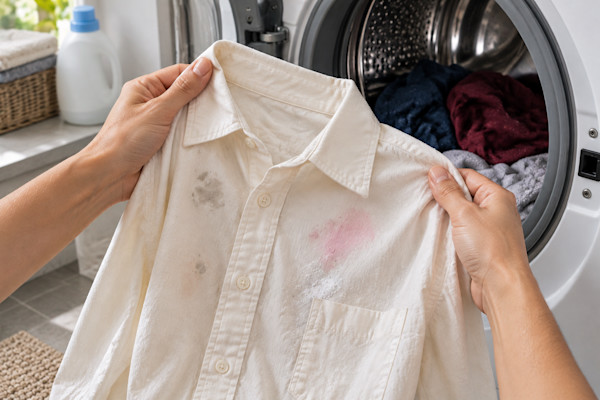
You pull a freshly washed shirt from the machine and spot a mark that wasn't there before, and the first question is always the same: why are my clothes getting stains after washing? Clothes may come out with stains because the original mark wasn't fully treated, the machine was overloaded, too much detergent was used, detergent didn't dissolve or rinse properly, or soil and dye moved between garments. New marks can also come from fabric softener, bleach, rust or objects left in pockets.
The fix is a routine, not a single product. Match the detergent to your washing method, dose it correctly, and follow the pack and care label. If your clothes come out dirtier after wash, start with the checklist below.
Which Surf Excel detergent suits your wash?
Pick the product approved for your machine, and follow its dose.
Product | Machine | Approved dose |
Surf Excel Easy Wash Detergent Powder | Hand wash; semi-automatic | Hand wash: approx. 30 g regular, 45 g heavily soiled. Semi-auto: approx. 45 g regular, 60 g heavily soiled |
Surf Excel Quick Wash Detergent Powder | Hand wash; semi-automatic | Hand wash: approx. 30 g regular, 45 g heavily soiled. Semi-auto: approx. 45 g regular, 60 g heavily soiled |
Surf Excel Matic Top Load Liquid | Top-load fully automatic; semi-automatic | 1 cap (approx. 60 g) regular load; 1½ cap (approx. 90 g) large or heavily soiled load |
Surf Excel Matic Front Load Liquid Detergent | Front-load only | 1 cap (approx. 60 g) regular load; 1½ cap (approx. 90 g) large or heavily soiled load |
Surf Excel Matic Express Liquid Detergent | All machines, including top-load fully automatic and front-load | 1 cap (approx. 40 ml) regular load |
Surf Excel Matic Smart Shots | All machines, including top-load fully automatic and front-load | 1 shot regular load; 2 shots heavy load |
For machine washing, choose the product designed for your machine: Surf Excel Matic Top Load Liquid for top-load machines and Surf Excel Matic Front Load Liquid Detergent for front-load machines.
Surf Excel Easy Wash Detergent Powder. Its surfactant system helps with oily and particulate soils, its anti-redeposition technology helps prevent removed soil settling back, and its multi-enzyme system supports removal of food stains with proteins, starches, tough fat and gum.
Surf Excel Quick Wash Detergent Powder. This high-active powder supports soaking-based tough stain removal with lesser effort.
Surf Excel Matic Top Load Liquid. Its anti-redeposition technology helps prevent removed soil settling back, and it has approved tough-stain pretreatment steps.
Surf Excel Matic Front Load Liquid Detergent. It has the same pretreatment steps, and its lower lather helps avoid damage to machine parts.
Surf Excel Matic Express Liquid Detergent. It's designed for quick wash and short cycles.
Surf Excel Matic Smart Shots. This concentrated unit-dose capsule helps remove daily stains such as sweat and body soil.
Why do my clothes get stained after washing, and how can I prevent it?
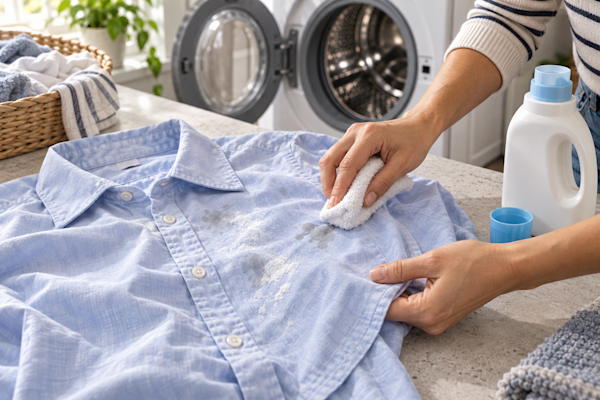
Stains generally get harder to remove as they dry, oxidise or meet unsuitable heat. Protein stains such as blood get harder to remove with hot water first, and dryer heat can fix whatever remains.
- Treat before you wash. Pretreat visible marks so the wash isn't the first time detergent meets the stain.
- Don't overload. A packed drum means clothes can't move, rinse or dissolve detergent properly.
- Dose correctly. Too much detergent can leave residue, so follow the pack dose for your load.
- Sort your loads. Separate dark, light and heavily soiled garments to avoid soil and dye transfer.
- Check the dispensers and pockets. Fabric softener, bleach and forgotten objects can all leave marks.
Four steps to stop the stain sneaking back
This process suits many common stains on washable, colourfast clothes. Delicate fabrics, dry-clean-only garments and unusual stains need a different method.
Step 1: Remove the excess
Act promptly. Blot liquids with a clean white cloth, and lift solids with a spoon or blunt edge without pushing the material deeper. Avoid vigorous rubbing, which can spread the mark.
Step 2: Pretreat the stain
Cover the stain, including any oily halo. With Surf Excel Matic Top Load Liquid or Surf Excel Matic Front Load Liquid Detergent, apply it directly, rub gently, wait 10–15 minutes, then wash, and repeat if needed. With Surf Excel Easy Wash Detergent Powder or Surf Excel Quick Wash Detergent Powder, soak as directed on the pack. Always check the care label first.
Never cut open Surf Excel Matic Smart Shots or apply them to a stain. Use them only in the machine wash, as the pack directs.
Step 3: Soak if needed
For dried or stubborn stains on suitable washable fabrics, soak the garment in detergent solution as the pack and care label direct. Don't soak wool, silk, unstable dyes or embellished garments unless the care instructions permit it.
Step 4: Wash, inspect and air-dry
Wash at the temperature on the care label, then air-dry and inspect before using a dryer. If the stain remains, repeat the treatment before exposing it to heat.
Seven stains, seven quick fixes
- Turmeric or haldi
Scrape off solids, rinse from the back with cool water, pretreat, wash and inspect before drying. Brief sunlight may help fade residual turmeric colour on a washable, colourfast garment because curcuminoids are sensitive to light, but monitor the fabric.
- Oil and grease
Cover fresh oil with cornstarch or baking soda, brush it away, then pretreat. Wash in the warmest water the care label permits, and skip the dryer until the mark is gone.
- Curry
Curry may combine oil, colour, starch and protein. Scrape away solids, flush from the back with cool water, then pretreat the coloured area and any oily halo.
- Mud
Let ordinary mud dry, brush it off, rinse, pretreat and wash. Scrubbing wet mud can spread it further into the fabric.
- Tea and coffee
The drink decides what holds the mark: plain tea may leave tannin-related colour, while chai adds protein and fat. Rinse promptly with cool water, pretreat, and don't assume hot water sets every tea or coffee stain.
- Blood
Start with cold running water, then pretreat and soak in cool water if required. Heat can make fresh blood harder to remove, though warm water doesn't always make it irreversible, so follow the garment and detergent instructions.
- Dried and set-in stains
If the stain type is unknown, rewet it with cool water, pretreat and soak as the labels permit. Wash, inspect and repeat if necessary.
Does the fabric change the plan?
The care label, construction, dye and finish matter more than fibre name alone.
Fabric | Washing guidance | Drying guidance |
Cotton and linen | Use the care-label temperature; hotter only when garment and stain allow | Dry as labelled; inspect stains first |
Polyester and synthetics | Cool or warm; avoid unnecessary high heat | Low heat or air-dry |
Wool and silk | Follow the care label; hand wash or professional cleaning may be needed | Dry flat or air-dry as directed |
Denim | Cool water can reduce colour loss; turn inside out | Air-dry or use the labelled setting |
Which home remedies help, and which don't?
Home remedies can support stain removal, but they don't replace detergent.
Remedy | Possible use | Caution |
Baking soda or absorbent powder | Absorbing surface oil before pretreatment | Doesn't remove the remaining stain alone |
White vinegar | Some old perspiration marks | Patch-test and rinse thoroughly |
Dishwashing liquid | Spot treatment for grease | Use sparingly; rinse before machine washing |
Sunlight | Fading residual turmeric | May also fade garment dye |
The takeaway
If you keep asking why your clothes remained stained after washing, check the routine before blaming the detergent. Pretreat marks, avoid overloading, dose correctly, sort loads and inspect before drying. Use the Surf Excel product approved for your machine, follow the care label, and repeat treatment rather than reaching for the dryer. Check the care label before each treatment.
Frequently asked questions
Does hot or cold water remove stains better?
It depends on the stain and fabric. Start with cool water for unknown stains and fresh protein stains such as blood, egg or dairy. For grease, the warmest water the care label permits may help after pretreatment.
How do you remove a stain that has already dried? Re-wet it with cool water if its identity is unknown, then pretreat as in Step 2 and soak a suitable washable garment as the labels direct. Wash and inspect before drying, since dried stains may need more than one treatment.
Can turmeric stains be removed completely?
Fresh turmeric is generally easier to remove when promptly rinsed and pretreated. Sunlight may fade residual colour on suitable colourfast fabric, but complete removal can't be guaranteed on every fibre or dye.
Why do clothes come out dirtier after a wash?
Overloading, excess detergent, undissolved powder, poor rinsing, soil or dye transfer and misused additives can leave marks or residue. Use the right dose, avoid packing the drum and separate dark, light and heavily soiled garments.
Should I rub or blot a stain?
Blot liquids and scrape off solids first, because vigorous rubbing can spread the stain or damage the fabric. After applying detergent, rub gently if the product and garment instructions allow.
Which Surf Excel product should I use for machine washing?
Use the product for your machine: Surf Excel Matic Top Load Liquid for top-load, Surf Excel Matic Front Load Liquid Detergent for front-load, and Surf Excel Matic Smart Shots in the machine only. Follow the pack dose.
Can I put Smart Shots directly on a stain?
No. Never cut open Surf Excel Matic Smart Shots or apply them to a stain. Use the shot in the machine wash as the pack directs.
Can too much detergent cause marks?
Yes. Too much detergent can leave residue, so follow the pack dose for your load size and soil level.
Do home remedies replace detergent?
No. Vinegar, sunlight and absorbent powders address single components of a stain, while a suitable detergent does the main cleaning.
Should I use the dryer if a mark is still there?
No. Air-dry and inspect first, and repeat the treatment if the mark remains, because dryer heat can fix it in place.
Is it safe to soak wool or silk?
Not unless the care instructions permit it. Wool, silk, unstable dyes and embellished garments often need gentler handling or professional cleaning.
Why do I get stains after washing in a crowded drum?
Clothes need room to move and rinse. An overloaded drum can leave detergent undissolved and soil unrinsed, which shows up as marks.
