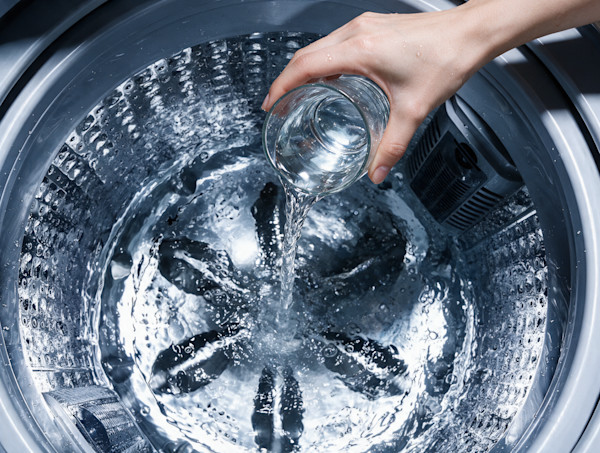
Meta title: How to Deep Clean a Washing Machine: A Step-by-Step Guide
Meta description: Learn how to deep clean a washing machine with a washer tub clean cycle and tub cleaner powder, plus a simple maintenance schedule and the right detergent.
How to Deep Clean Your Washing Machine Tub, and How Often Should You Do It?
Your washing machine cleans everything you put in it, but it rarely gets cleaned itself. Every wash leaves behind a little detergent, lint and soil. Over weeks, that film builds up in the drum, the door seal and the detergent drawer, until one day the “clean” laundry comes out smelling damp.
The fix is a simple routine:
Monthly: Run an empty washer tub clean cycle with a tub cleaner powder your machine’s manufacturer approves.
Every few weeks: Clean the detergent drawer, wipe the rubber door seal and check the drain filter.
In hard-water areas: Add a descaling step as often as your manual recommends.
Most of the work is done by the machine, and you won’t need anything beyond its built-in Tub Clean programme and an approved cleaner.
This guide covers how to deep clean a washing machine part by part, how often to do each job, and the everyday habits that stop buildup coming back.
How the right Surf Excel detergent supports machine care
The easiest way to keep a washing machine clean is to need to deep clean it less often. The detergent you use every week, and how much of it, decides how much residue the machine has to deal with. Always follow your garment care labels and machine settings.
Your machine | Surf Excel product | Dose |
Front-load | Surf Excel Matic Front Load Liquid Detergent | 1 cap (approx. 60 g) regular; 1½ cap (approx. 90 g) large or heavily soiled |
Top-load fully automatic or semi-automatic | Surf Excel Matic Top Load Liquid | 1 cap (approx. 60 g) regular; 1½ cap (approx. 90 g) large or heavily soiled |
All machines, incl. top load fully automatic and front load | Surf Excel Matic Express Liquid Detergent | 1 cap (approx. 40 ml) regular |
All machines, incl. top load fully automatic and front load | Surf Excel Matic Smart Shots | 1 shot regular; 2 shots heavy |
Hand wash or semi-automatic machine | Surf Excel Easy Wash Detergent Powder | Hand wash: approx. 30 g regular, 45 g heavily soiled. Semi-auto: approx. 45 g regular, 60 g heavily soiled |
Hand wash or semi-automatic machine | Surf Excel Quick Wash Detergent Powder | Hand wash: approx. 30 g regular, 45 g heavily soiled. Semi-auto: approx. 45 g regular, 60 g heavily soiled |
What these products do for your machine:
Lower lather (front-load): Surf Excel Matic Front Load Liquid Detergent has a multi-surfactant system specially suitable for front load, with lower lather that helps avoid damage to machine parts.
Chelating agent: Surf Excel Matic Front Load Liquid Detergent, Surf Excel Matic Top Load Liquid, Surf Excel Matic Express Liquid Detergent and Surf Excel Matic Smart Shots all contain one. It binds hardness and trace metal ions to protect cleaning performance and reduce scale risk in the washing machine.
Faster dissolution: As liquids, Surf Excel Matic Front Load Liquid Detergent, Surf Excel Matic Top Load Liquid and Surf Excel Matic Express Liquid Detergent provide faster dissolution to work in short cycles. They support machine and fabric care and leave no residue on fabric.
Easy dosing: Surf Excel Matic Smart Shots are a concentrated unit-dose capsule, so each wash has a clear dose. Overdosing can leave residue in your machine.
Surf Excel Easy Wash Detergent Powder and Surf Excel Quick Wash Detergent Powder are made for hand washing and semi-automatic machines, not for fully automatic or front-load machines.
Why residue builds up, and what it does to your machine
Every wash leaves a thin film of detergent, softener and soil behind:
Front-load machines: The horizontal drum and low water levels let residue settle into the rubber gasket folds.
Top-load machines: The agitator base and drum walls trap soap scum.
Over weeks, this layer thickens, feeds mould and bacteria, and produces a damp, musty smell.
Hard water adds to the problem.When hard water is heated, solid deposits of calcium carbonate can form. This scale can shorten the life of equipment, lower heating efficiency and clog pipes. Hardness is high in parts of several Indian cities:
Delhi: In a South West Delhi study,82% of groundwater samples were very hard.
Jaipur: A study foundhardness above the permissible limit in 44% of groundwater samples.
Ahmedabad: Groundwater in nearby Daskroi measured 258–769 mg/L.
Left alone, residue and scale reduce cleaning performance, leave white streaks on dark clothes, and can eventually clog the pump or damage the door seal.
How to run a washer tub clean cycle
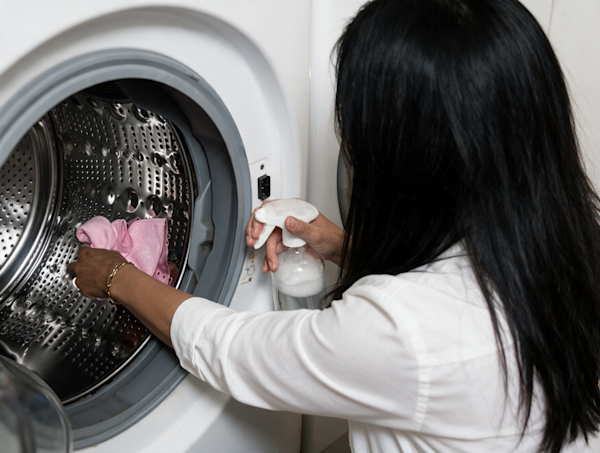
Most modern machines have a dedicated Tub Clean, Drum Clean or Eco Drum Clean programme. If yours doesn’t, use the hottest cycle your manual allows.
1.Empty the drum of all clothes and items.
2.Wipe visible lint from the door seal with a damp cloth.
3.Add a tub cleaner powder that your machine’s manufacturer approves, following its pack instructions for the amount and where to add it. Don’t add laundry detergent.
4.Select Tub Clean, or the hottest cycle your manual allows.
5.Let the full cycle finish, including the spin.
6.Leave the door ajar afterwards so the drum dries completely.
How often: Run a washer tub clean cycle once a month, or as often as your manual recommends. If you live in a hard-water area, stick to the schedule.
How to choose a tub cleaner powder
There’s no single tub cleaner powder for every machine. The right one is the one your machine can safely use. Check that:
Your machine’s manufacturer approves it. Many name compatible cleaners in the manual.
It suits your machine type, front-load or top-load.
The pack gives clear instructions for the tub-clean cycle.
Never combine cleaning products.Bleach mixed with acids such as vinegar releases chlorine gas, and bleach with ammonia releases chloramine gases.
Cleaning the detergent drawer: the most overlooked task
The pull-out detergent drawer collects sticky residue faster than any other part of the machine. When it clogs, liquid detergent can’t flow into the drum properly, and you end up with poorly cleaned clothes and a drawer full of mouldy sludge.
1.Pull the drawer out fully. Most have a release tab inside the softener compartment.
2.Rinse it under warm running water, scrubbing the compartment dividers with an old toothbrush.
3.Wipe the cavity inside the machine where the drawer sits. Mould often hides here. 4.Let the drawer dry completely before you slide it back.
Do this every two to four weeks, or whenever you see residue building up.
Cleaning the rubber door seal (front-load machines)
The rubber gasket around a front-load door traps water, hair and detergent in its folds after every cycle. Left alone, it develops black mould spots and a sour smell that transfers to freshly washed laundry.
1.Peel back the seal gently to expose the inner fold.
2.Wipe it with a cloth dampened in warm water, or use a seal cleaner your manufacturer approves. Some manufacturers advise against vinegar or bleach on rubber seals, so check your manual first.
3.Dry the seal thoroughly with a clean towel.
Check the seal weekly, and clean it whenever you see discolouration or feel a slimy residue. If black mould won’t wipe away, it may have penetrated the rubber, so ask the manufacturer’s service centre whether the seal needs replacing.
Cleaning the drain filter
The drain pump filter catches coins, hairpins and lint before they reach the drain pump. A blocked filter causes poor drainage, error codes and water left in the drum after a cycle.
1.Find the filter. It’s usually behind a small panel at the bottom front of a front-load machine.
2.Place a shallow tray and a towel under the panel, because trapped water will spill out.
3.Unscrew the filter cap anticlockwise and pull it out slowly.
4.Remove the debris, rinse the filter under running water and wipe the filter housing.
5.Refit the filter, close the panel and run a short rinse cycle to check drainage.
Check the filter every one to two months, or straight away if the machine stops draining.
How to prevent mildew and odour between washes
Prevention is easier than cure. These habits stop mould and smells from coming back:
Leave the door ajar after every wash so air can circulate and moisture can escape.
Remove wet laundry promptly. Clothes left sitting in a closed drum soon start to smell.
Use the right detergent dose. Too much leaves residue, and too little leaves soil behind.
Run the tub clean cycle monthly, even if you usually wash on cold.
Wipe the seal and the drawer after washing heavily soiled or pet-related items.
Washing machine maintenance schedule at a glance
Task | Frequency |
Washer tub clean cycle with an approved tub cleaner powder | Monthly, or as your manual recommends |
Detergent drawer cleaning | Every 2–4 weeks |
Rubber door seal check and wipe (front-load) | Weekly |
Drain filter check and clean | Every 1–2 months |
Descaling (hard-water areas) | As your manual recommends, using a descaler your manufacturer approves |
What home care products help keep a washing machine clean?
You need only a short kit: A tub cleaner powder your machine’s manufacturer approves, for the monthly tub clean cycle. A descaler your manufacturer approves, if you have hard water. The right detergent for your machine, measured accurately. A soft cloth, an old toothbrush and a towel for the drawer, seal and filter.
Conclusion
Learning how to deep clean a washing machine takes one afternoon; keeping it clean takes a few minutes a week. Run a monthly washer tub clean cycle with an approved tub cleaner powder, clean the drawer, seal and filter on schedule, and leave the door open between washes. Pair that with the right detergent at the right dose, and your machine will stay fresh and work well for years.
Frequently asked questions
How do I deep clean my washing machine? Run an empty washer tub clean cycle with a tub cleaner powder your manufacturer approves, then clean the detergent drawer, wipe the rubber door seal and check the drain filter. In hard-water areas, add a descaling step as your manual recommends.
How often should I run a washer tub clean cycle and use tub cleaning powder? Once a month, or as often as your machine’s manual recommends. Stick to the schedule if you live in a hard-water area.
What options suit cleaning a washing machine tub with powder? Use a tub cleaner powder your machine’s manufacturer approves, in the amount and place its pack directs. Run it in the Tub Clean cycle, or the hottest cycle your manual allows, with the drum empty.
What causes a musty smell in my washing machine, and how do I remove it? Mould and bacteria feed on detergent residue trapped in the drum, door seal and drawer. Run a tub clean cycle, wipe the seal, clean the drawer and leave the door open between washes.
Can I use regular detergent in a fully automatic washing machine? Use a detergent made for your machine. For front-load machines, use Surf Excel Matic Front Load Liquid Detergent; for top-load machines, use Surf Excel Matic Top Load Liquid. Surf Excel Matic Express Liquid Detergent and Surf Excel Matic Smart Shots suit all machines. Surf Excel Easy Wash Detergent Powder and Surf Excel Quick Wash Detergent Powder are for hand washing and semi-automatic machines.
Should I put detergent in the drawer or directly in the drum? For front-load machines, pour liquid detergent into the main wash compartment of the drawer. For top-load machines and for Surf Excel Matic Smart Shots, follow your machine manual and the pack instructions.
Does hard water mean I need more detergent? Not necessarily. Use the dose on the pack for your load size and soil level: 1 cap (approx. 60 g) for a regular load, or 1½ cap (approx. 90 g) for a large or heavily soiled one. The chelating agent in Surf Excel Matic Front Load Liquid Detergent, Surf Excel Matic Top Load Liquid, Surf Excel Matic Express Liquid Detergent and Surf Excel Matic Smart Shots helps protect cleaning performance in hard water.
Why is there white residue on my clothes after washing? It’s usually leftover detergent or hard-water minerals. Use the right dose of a detergent made for your machine, don’t overload the drum, and run a monthly tub clean cycle to clear buildup from the machine itself.
