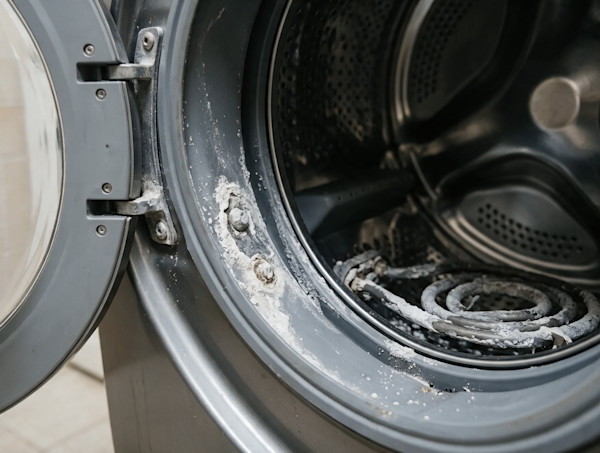
Hard water in washing machines leaves limescale behind. It’s a chalky mineral buildup that coats the heating element, clogs pipes and shortens the machine’s life. To clean hard water stains and keep them from coming back:
- ✦
Descale with a washing machine descaler every one to three months.
- ✦
Use a detergent with a chelating agent at the right dose.
- ✦
Keep up a few simple maintenance habits.
The same approach protects your clothes from the white residue and stiffness that hard water leaves behind.
Which Surf Excel detergent helps in hard water?
The detergent you use every wash is your first line of defence against mineral buildup in a washer.
For fully automatic machines: Surf Excel Matic liquids and Surf Excel Matic Smart Shots
Surf Excel Matic Front Load Liquid Detergent, Surf Excel Matic Top Load Liquid, Surf Excel Matic Express Liquid Detergent and Surf Excel Matic Smart Shots all contain a chelating agent. It binds hardness and trace metal ions to protect cleaning performance and reduce scale risk in the washing machine.
For hand wash and semi-automatic machines: Surf Excel Easy Wash Detergent Powder and Surf Excel Quick Wash Detergent Powder
Both powders use a builder/alkalinity system, which binds hardness ions to help protect the surfactant cleaning system. They also have anti-ashing technology, which is how they protect clothes from hard water. It helps avoid the formation of ash, such as calcium carbonate, which can form a white layer on fabric and make garments look faded, dull and stiff. It also helps keep coloured clothes bright for longer.
Machine type | Surf Excel product | Dose (regular load) |
Front-load | Surf Excel Matic Front Load Liquid Detergent | 1 cap (approx. 60 g); 1½ cap (approx. 90 g) for large or heavily soiled loads |
Top-load fully automatic or semi-automatic | Surf Excel Matic Top Load Liquid | 1 cap (approx. 60 g); 1½ cap (approx. 90 g) for large or heavily soiled loads |
Quick wash or short cycles, all machines | Surf Excel Matic Express Liquid Detergent | 1 cap (approx. 40 ml) |
All fully automatic machines | Surf Excel Matic Smart Shots | 1 shot; 2 shots for a heavy load |
Hand wash | Surf Excel Easy Wash Detergent Powder or Surf Excel Quick Wash Detergent Powder | Approx. 30 g; 45 g heavily soiled |
Semi-automatic | Surf Excel Easy Wash Detergent Powder or Surf Excel Quick Wash Detergent Powder | Approx. 45 g; 60 g heavily soiled |
Dosage matters. Too much detergent leaves residue that mixes with mineral deposits, and too little may not be enough for the hardness in your water. Follow the dose on the pack and always use the measuring cap.
Why hard water damages washing machines
Hard water contains dissolved calcium and magnesium.When hard water is heated, solid deposits of calcium carbonate can form. This scale can shorten the life of equipment, lower the efficiency of heating elements and clog pipes. Inside a washing machine, it builds up first on the heating element, then on the drum, the detergent dispenser and the rubber door seal.
The damage compounds with every wash. Scale traps detergent residue, which feeds bacteria and mould. You may notice a musty smell, white flakes on clothes, or clothes that feel stiff after washing. Front-load machines are especially prone, because they use less water and hold moisture longer.
I grew up in a part of Tamil Nadu where the borewell water left white marks on everything: the bathroom tiles, the steel vessels and, eventually, the inside of our washing machine. We didn’t connect the musty smell to the water until a technician pointed at the grey crust on the heating element.
How hard is your water?
Hardness is measured as calcium carbonate.The US Geological Survey classifies water as:
- ✦
Soft: 0–60 mg/L
- ✦
Moderately hard: 61–120 mg/L
- ✦
Hard: 121–180 mg/L
- ✦
Very hard: above 180 mg/L
Many Indian cities draw on hard groundwater. In a South West Delhi study,82% of groundwater samples were very hard, and studies inBengaluru andcoastal South Chennai found high hardness too.
A TDS meter won’t tell you your hardness.TDS counts all dissolved solids, not just calcium and magnesium, so use a water hardness test kit instead.
How to descale your washing machine
Descaling removes the limescale already built up on the heating element and drum. Even with the right detergent, some mineral buildup is likely in hard water areas.
- 1
Empty the drum. Remove all clothes and check the rubber seal for trapped items.
- 2
Add a washing machine descaler. Use a descaler or hard water tablets approved by your machine’s manufacturer, at the amount on the pack. If your manual allows citric acid or vinegar, follow its instructions for the amount.
- 3
Run the cycle your manual recommends. This is usually a tub-clean or descaling programme, or a hot cycle with no clothes in it.
- 4
Wipe the drum and seal. After the cycle, wipe the drum and the rubber gasket with a dry cloth to remove loosened deposits and moisture.
How often: Descale every one to three months. In very hard water, descale monthly. With moderately hard water, every two to three months is usually enough.
Never mix cleaning products.Bleach combined with an acid such as vinegar releases chlorine gas, and bleach with ammonia releases chloramine gases.
How to clean hard water stains from clothes
Hard water stains on clothes show up as a white or greyish film, chalky marks or a stiff feel. To clean them:
- ✦
Rewash with the right dose. Too much detergent in hard water leaves residue that mixes with minerals.
- ✦
Use anti-ashing technology. For hand wash and semi-automatic machines, Surf Excel Easy Wash Detergent Powder and Surf Excel Quick Wash Detergent Powder help avoid the ash that leaves a white layer on fabric.
- ✦
Don’t overload the machine. Clothes need enough water to rinse properly.
- ✦
Descale the machine. Scale inside the machine can shed onto clothes, so clean the source too.
Routine maintenance habits that prevent buildup
- ✦
Leave the door ajar after every wash so the drum can dry.
- ✦
Wipe the rubber gasket after each wash on front-load machines, to stop mould and residue from hardening.
- ✦
Clean the detergent dispenser monthly. Remove the drawer, soak it in warm water and scrub it with an old toothbrush.
- ✦
Run a drum-clean cycle monthly, using your machine’s tub-clean programme and an approved cleaner.
- ✦
Clean the inlet filter where the water hose connects, every one to three months or as your manual recommends. It traps sediment and mineral particles.
Task | Frequency | Why it matters |
Leave the door open after a wash | Every wash | Prevents moisture buildup and mould |
Wipe the door gasket | Every wash (front-load) | Stops mould and residue from hardening |
Clean the detergent drawer | Monthly | Keeps detergent releasing properly |
Run a drum-clean cycle | Monthly | Flushes residue and bacteria |
Descale with a washing machine descaler | Every 1 to 3 months | Removes limescale from the heating element |
Clean the inlet filter | Every 1 to 3 months, or per manual | Stops sediment from blocking water flow |
Common mistakes that worsen hard water damage
- ✦
Using a detergent not made for your machine. Surf Excel Easy Wash Detergent Powder and Surf Excel Quick Wash Detergent Powder are for hand wash and semi-automatic machines, not fully automatic or front-load machines.
- ✦
Overdosing detergent. More detergent means more residue combining with hard water minerals.
- ✦
Skipping descaling. Without it, limescale builds up faster than daily habits can prevent.
- ✦
Leaving wet clothes in the drum. Standing moisture speeds up mould and mineral deposits.
- ✦
Ignoring the inlet filter. A clogged filter restricts water flow and lengthens wash times.
- ✦
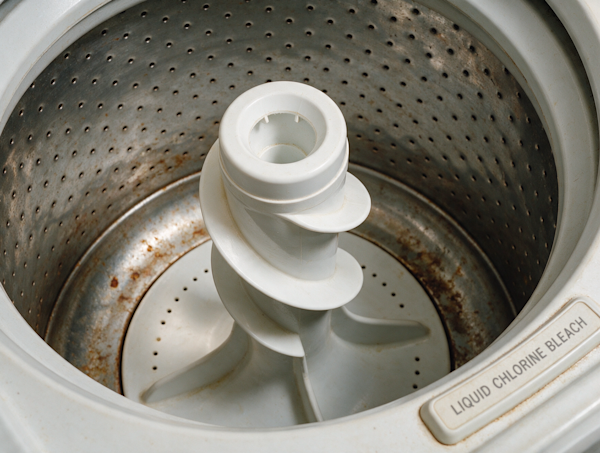
Mixing vinegar and bleach. This releases toxic gas. Never combine cleaning products.
Conclusion
Hard water is a fact of life in many Indian homes, but limescale doesn’t have to be. Descale regularly with a washing machine descaler, use a detergent matched to your machine at the right dose, and keep up the small habits: an open door, a wiped seal and a clean drawer and filter. Together, they protect your machine and your clothes from hard water.
Frequently asked questions
What is the best solution for hard water in washing machines? There isn’t a single fix. The answer is a combination: regular descaling with a washing machine descaler, a detergent with hard-water support at the right dose, and simple maintenance habits. Surf Excel Matic liquids and Surf Excel Matic Smart Shots contain a chelating agent that helps reduce scale risk in the machine.
Which washing machine tablets should I use for descaling hard water buildup? Use descaler tablets that your machine’s manufacturer approves, at the dose on the pack. Run them in the tub-clean or descaling cycle your manual recommends, with the drum empty.
What should I use to descale a washing machine and protect fabric care? Use a washing machine descaler for the machine, and a detergent that cares for clothes in the wash. Surf Excel Matic Smart Shots deliver 3-in-1 benefits of stain removal, long-lasting fragrance and fabric care. For hand wash and semi-automatic machines, the anti-ashing technology in Surf Excel Easy Wash Detergent Powder and Surf Excel Quick Wash Detergent Powder helps keep clothes from looking faded, dull and stiff.
How often should I descale my washing machine in India? Every one to three months, depending on your water hardness. In very hard water, or if you notice white residue on clothes, descale monthly.
Can I use regular detergent in a front-load washing machine? Use a detergent approved for front-load machines: Surf Excel Matic Front Load Liquid Detergent, Surf Excel Matic Express Liquid Detergent or Surf Excel Matic Smart Shots. Powders made for hand wash and semi-automatic machines aren’t meant for front-loaders.
What is the difference between a washing machine cleaner and a descaler? A drum cleaner removes organic residue, such as mould, bacteria and detergent buildup. A descaler removes mineral deposits, such as limescale from hard water. Use a descaler for hard water and a drum cleaner for odour and mould.
Is white vinegar safe for cleaning a washing machine drum? It depends on your machine. Some manufacturers allow vinegar, while others advise against it because it can affect rubber seals. Check your manual, and never mix vinegar with bleach.
How do I know if I am using too much detergent? Signs include residue on clothes, a musty smell from the drum, excess foam during the wash and white buildup in the detergent drawer. Use the measured dose on the pack and run an extra rinse if needed.
