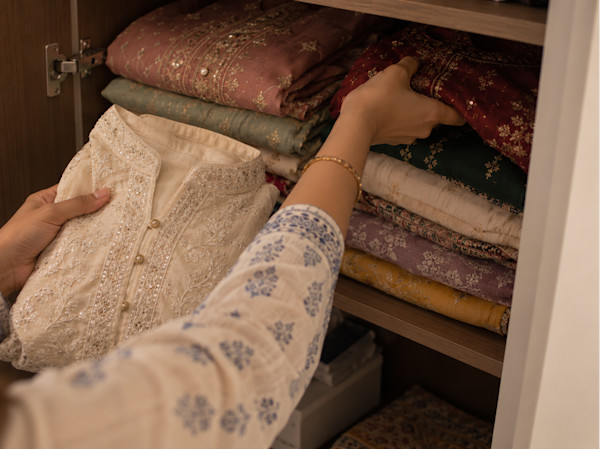
Surf Excel detergents, formulated with multi-enzyme technology, remove sweat stains and body odour from festive clothes safely by breaking down protein-based perspiration residue without damaging delicate fabrics. The key is to pretreat stains before they set, use the right water temperature, and choose a detergent formulated to target both visible yellow marks and the bacteria that cause lingering smells.
I've watched my mother pull out her Banarasi saree before every Diwali, inspect the underarms, and either sigh with relief or spend the next hour trying to salvage it. Festive garments carry weight that everyday clothes don't. A silk saree you inherited, an embroidered kurta you saved three months to buy, or a zardozi lehenga for your sister's wedding. One sweat stain under the arm or a musty smell that won't leave can sideline an outfit you planned to wear for years. This guide covers why sweat damages festive fabrics differently, a step-by-step treatment process, and specific care for different materials.
Why Sweat Stains and Odour Are Harder to Remove from Festive Clothes
Sweat itself isnearly colourless. The white marks you see on fabric are usually leftover antiperspirant. The yellow comes from areaction between the aluminium compounds in antiperspirants, sweat and the oily secretions from underarm sweat glands. Festive clothes face two problems that everyday cotton clothing does not:
● Delicate fibres absorb more sweat. Silk, chiffon, and embroidered synthetics are more porous than cotton. Sweat proteins penetrate deeper into the weave, and removing them takes more patience.
● Infrequent washing gives bacteria time. Most people store festive wear between events. This could mean weeks or months between washes. Bacteria multiply in that time, and odour sets into the fabric in ways that a quick wash won't fix.
Here's what matters: body odour comes from bacteria metabolising sweat compounds, not from sweat itself. Standard detergents may lift surface soil but leave the bacterial colony intact. This is why festive clothes sometimes smell fresh out of the wash, then develop a musty note once you hang them in the cupboard.
What Do You Need Before You Start?
Gather these items before treating your garment:
● A basin or bucket for presoaking
● Lukewarm water (30 to 40°C)
● A detergent with enzyme technology (proteases break down sweat proteins; lipases handle body oils), such as Surf Excel Easy Wash Detergent Powder or Surf Excel Matic Liquid
● White vinegar or baking soda (optional, for stubborn odour)
● A clean, white cloth for blotting
● A drying rack or padded hanger
Dosage reference for Surf Excel Easy Wash Detergent Powder:
Load type | Recommended dose |
Hand wash | 2 scoops |
Machine wash | 3 scoops |
For tough stains, presoak the garment in the solution for 30 minutes. For a single festive garment, you won't need much more than this amount. About one scoop dissolved in a basin of water works for spot soaking.
How to Remove Sweat Stains from Festive Clothes: A Step-by-Step Process
Step 1: Check the Care Label
Before any treatment, read the garment's care label. If it says dry clean only, take it to a professional. For hand-washable silks, cotton kurtas, and most embroidered synthetics, proceed to the next step.
Step 2: Pretreat the Stain
Turn the garment inside out. Apply a small amount of liquid detergent to the stained area. Surf Excel Matic Top Load Liquid works well here as it is designed for top-load fully automatic and semi-automatic washing machines. Formulated with a multi-surfactant cleaning system and multi-enzyme technology, it targets everyday soils and tough stains. For tough stains, the liquid is applied directly as a pre-treatment before running the regular wash cycle. Rub gently with your fingertip, not your nail. Nails snag embroidery and pull delicate weaves. Let it sit for 10 to 15 minutes.
Step 3: Soak in Lukewarm Water
Fill a basin with lukewarm water and dissolve Surf Excel Easy Wash Detergent Powder (about one scoop for a single item soak). Its superfine, fast-dissolving formula and superior stain-fighting technology target tough stains, including sweat residue and any food splatters from the last celebration. Submerge the garment and let it soak for 20 to 30 minutes.
Do not use hot water. Heat sets protein-based stains permanently. I learned this the hard way with a cream coloured kurta that now has permanent yellow crescents under the arms.
Step 4: Gently Agitate and Rinse
Swirl the garment gently. Do not wring or twist, especially silk and embroidered fabrics. Drain the soapy water and rinse with cool, clean water until the suds are gone. Residual detergent attracts dust during storage, so rinse thoroughly.
Step 5: Dry Correctly
Lay flat on a clean towel or hang on a padded hanger away from direct sunlight. Sunlight fades dyed silks and metallics faster than you'd expect. Ensure the garment is completely dry before storing. Dampness breeds the bacteria that cause odour.
How to Eliminate Body Odour from Festive Clothes
If the stain is gone but the smell lingers, bacteria are still present. Try these additional steps:
● White vinegar soak: Add half a cup of white vinegar to the rinse water. Vinegar's acidity neutralises odour-causing bacteria without bleaching colours. The vinegar smell dissipates as the fabric dries.
● Baking soda paste: For localised odour in the underarm areas, make a paste of baking soda and water, apply to the inside of the fabric, leave for 15 minutes, then rinse.
● Air and sunlight: After washing, hang the garment in indirect sunlight for an hour. UV light has mild antibacterial properties and helps dissipate residual smells.
For machine-washable festive cottons and linens, Surf Excel Matic Express Liquid Detergent targets malodour specifically through its Pro S Technology, developed for express wash cycles. It is useful when you need a garment fresh for an event the same day.
How Do You Treat Each Festive Fabric
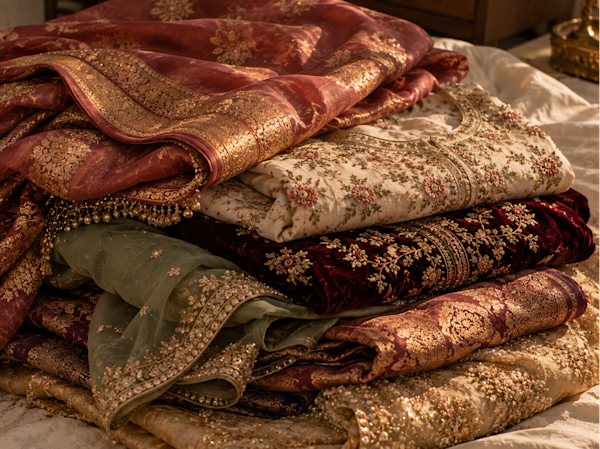
Fabric | Safe treatment | Avoid |
Silk (sarees, dupattas) | Dry Clean | Hot water, wringing, direct sun |
Embroidered cotton (kurtas) | Pre-soak, machine wash on delicate if label allows | Harsh scrubbing, chlorine bleach |
Zardozi / heavy embroidery | Spot treat only; professional dry clean for full wash | Full submersion, tumble drying |
Velvet | Steam to refresh, spot clean stains | Water immersion, pressing pile flat |
Brocade / Banarasi | Dry clean preferred | Soaking longer than 15 minutes |
How to Prevent Sweat Stains on Festive Clothes
Prevention reduces the need for aggressive treatment later:
● Wear a thin cotton slip or undershirt beneath heavy garments. It absorbs sweat before it reaches the outer fabric.
● Apply antiperspirant the night before and let it dry completely. Wet antiperspirant reacts more with sweat and causes worse staining.
● Air out the garment immediately after wearing. Do not fold and store while damp.
● Store in breathable cotton garment bags, not plastic. Plastic traps moisture.
Keep Your Festive Wear Fresh, Stain-Free and Celebration-Ready
Caring for cherished festive garments requires a balance of quick action, gentle care and the right cleaning method for each fabric. Treat sweat stains and odour promptly, and choose a pretreatment that suits the fabric. That's how you protect intricate embroidery, rich weaves and vibrant colours. For washable festive wear like cotton kurtas, salwar suits and cotton-blend dupattas, Surf Excel Easy Wash Detergent Powder helps lift sweat and everyday stains with less scrubbing. Silk, wool and heavily embellished pieces are best left to a professional dry cleaner. Finish with proper drying and breathable storage, and your celebration-ready outfits will stay fresh, pristine and ready to wear for years to come. Because Daag Achhe Hain, especially the ones that come from a night of celebrating.
Frequently Asked Questions
How do I remove yellow sweat stains from a silk saree? The safest option for a silk saree is a professional dry cleaner, especially if it has zari, embroidery or rich colours. For a light, fresh stain on a plain silk saree, the care label may allow gentle hand washing. If so, test on a hidden corner first, then soak the stained area in cool water with a mild, pH-neutral detergent made for silk for no more than 5 minutes. Gently press the stain between your fingers rather than rubbing. Rinse in cool water, roll the saree in a towel to remove excess water without wringing, and dry flat in the shade. Avoid hot water, which sets protein stains, and avoid enzyme-based detergents, which can weaken silk fibres.
Can I machine wash embroidered festive kurtas?
Check the care label first. If machine washing is permitted, turn the kurta inside out, place it in a mesh laundry bag, and use a delicate cycle with cold or lukewarm water. Surf Excel Matic Front Load Liquid is suitable for front-load machines and offers a low-suds formula with tough stain-removal action that helps protect embroidery while cleaning sweat residue.
Why do my festive clothes smell even after washing?
Odour persists when bacteria remain in the fabric. Standard detergents may remove visible soil but not the bacterial colony. Use a detergent formulated to break down protein- and fat-based residues that bacteria feed on. Adding half a cup of white vinegar to the rinse water helps neutralise remaining odour-causing microbes.
Is it safe to use baking soda on coloured festive fabrics?
Yes, baking soda is colour safe when used correctly. Make a paste with water, apply to the odour-prone area (usually underarms), leave for 15 minutes, then rinse. Test on an inconspicuous area first if the fabric is delicate or has metallic threads.
What water temperature is best for removing sweat stains?
Lukewarm water (30 to 40°C) is ideal. Hot water sets protein-based stains like sweat, making them permanent. Cold water is safe but dissolves detergent more slowly, so ensure the powder is fully dissolved before submerging the garment.
How do I treat sweat stains on a zardozi lehenga?
Zardozi embroidery is heavy and delicate; full immersion is risky. Spot treat only: dampen a white cloth with lukewarm water and a drop of liquid detergent, gently blot the stained area, then blot with a clean, damp cloth to remove soap. Air dry. For overall cleaning, professional dry cleaning is safer.
Can Surf Excel remove old, set-in sweat stains?
Fresh stains respond best, but Surf Excel Easy Wash Detergent Powder's superior stain-fighting formula supports soaking-based tough stain removal. Soak the garment for 30 minutes, gently agitate, and repeat if needed. For very old stains, a baking soda paste pretreatment can help lift residue before soaking.
How should I store festive clothes to prevent odour?
Ensure clothes are completely dry before storing. Use breathable cotton garment bags, not plastic, to allow airflow. Add silica gel packets or neem leaves to absorb moisture and deter insects. Store in a cool, dry place away from direct light.